Ledger Live Login: A Complete Guide to Access and Manage Your Crypto Securely
Master your Ledger Live login experience with this in-depth guide — from setup and security to advanced portfolio management.
🔐 Why Ledger Live Login Matters
Your Ledger Live login isn’t just a step to check your balance — it’s the gateway to a world where your digital assets stay protected under your control. With Ledger hardware wallets like the Nano X and Nano S Plus, your private keys never leave your device, while the app ensures smooth access to your crypto ecosystem.
What Is Ledger Live?
Ledger Live is the official desktop and mobile interface developed by Ledger to help users manage their cryptocurrencies easily. It allows you to send, receive, stake, and track crypto assets — all while integrating seamlessly with your Ledger hardware wallet. Available for Windows, macOS, Linux, Android, and iOS, the platform brings your digital finance management into one secure space.
Key Features of Ledger Live
- All-in-One Dashboard: Manage over 5,500 digital assets in one place.
- Secure Connection: Works directly with Ledger hardware wallets for extra protection.
- Portfolio Tracking: Monitor your portfolio growth in real time.
- Buy, Sell, and Swap: Access partner services for crypto transactions within the app.
- Earn Rewards: Stake coins like Ethereum, Tezos, and Polkadot to generate passive income.
Step-by-Step Guide: How to Log in to Ledger Live
Step 1: Download and Install Ledger Live
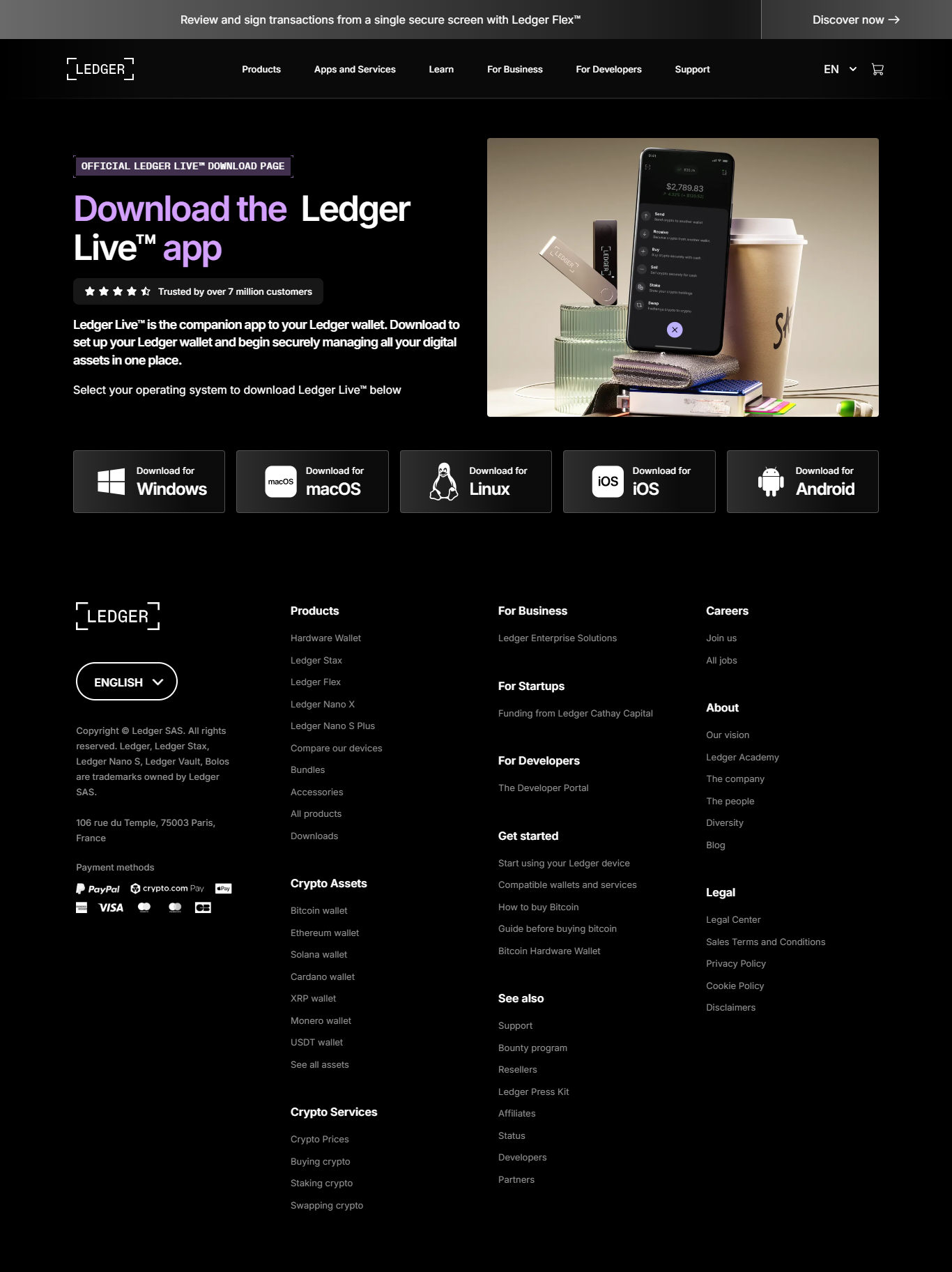
Go to the official Ledger website and download the Ledger Live application for your device. Once downloaded, install the app following the on-screen prompts.
Step 2: Connect Your Ledger Device
Plug your Ledger Nano X or Nano S Plus into your computer or connect via Bluetooth (for mobile). Enter your device PIN to unlock it.
Step 3: Open Ledger Live and Set Up Your Password
Launch the Ledger Live app and set a secure password for local access. This adds a protective layer before your account dashboard opens.
Step 4: Sync Your Accounts
Once logged in, go to “Accounts” and add your crypto assets. The app will automatically fetch blockchain data for real-time balance updates.
Step 5: Start Managing Your Crypto
That’s it! You can now send, receive, swap, and stake cryptocurrencies while keeping your keys secure on your Ledger device.
Common Ledger Live Login Issues & Fixes
| Issue | Possible Fix |
|---|---|
| App Not Opening or Crashing | Restart your computer or reinstall the latest version of Ledger Live. |
| Device Not Detected | Ensure your Ledger is connected and unlocked. Try a different USB port or cable. |
| Login Password Forgotten | Reset Ledger Live by clearing app data. You’ll need to re-import your accounts from the device. |
| Portfolio Not Syncing | Click “Synchronize” in the app settings or verify your internet connection. |
Security Tips for Ledger Live Login
- Always verify device authenticity: When connecting your Ledger, make sure the app displays “Genuine Check Passed.”
- Never share your recovery phrase: Keep it offline and private at all times.
- Enable password lock: Always activate the Ledger Live app password option.
- Use official sources only: Download updates exclusively from Ledger’s official site.
- Keep your system clean: Avoid connecting your Ledger to public or compromised devices.
“In the world of crypto, control equals security. With Ledger Live login, you hold both.”
Ledger Live Mobile vs Desktop: Which One to Use?
Ledger Live offers both mobile and desktop apps, each suited to different user needs. The desktop version provides better portfolio visualization and integration with more crypto services, while the mobile app offers on-the-go accessibility through Bluetooth pairing with Ledger Nano X. Many users combine both for full convenience and flexibility.
| Feature | Desktop App | Mobile App |
|---|---|---|
| Portfolio View | Comprehensive analytics | Simplified dashboard |
| Hardware Connectivity | USB only | Bluetooth (Nano X) |
| App Integration | Advanced options | Limited |
Frequently Asked Questions (FAQ)
Q1: Can I log in to Ledger Live without my hardware wallet?
A: You can open Ledger Live and view your portfolio, but to make transactions, your Ledger device must be connected.
Q2: What if my Ledger Live password is lost?
A: Reset the app. Your crypto remains safe on the blockchain — simply re-sync your accounts using the hardware wallet.
Q3: Does Ledger Live support NFTs?
A: Yes, you can view and manage NFTs on Ethereum and Polygon directly within Ledger Live.
Q4: Is Ledger Live login safe on public Wi-Fi?
A: It’s better to avoid public networks. Always use secure, private internet connections when managing crypto.
Final Thoughts: Secure Your Crypto Journey with Ledger Live Login
The Ledger Live login process bridges convenience and world-class security. Whether you’re a beginner or a seasoned investor, using Ledger Live ensures that your assets remain under your full control. Take charge of your digital wealth today — and remember, true ownership in crypto begins with self-custody.